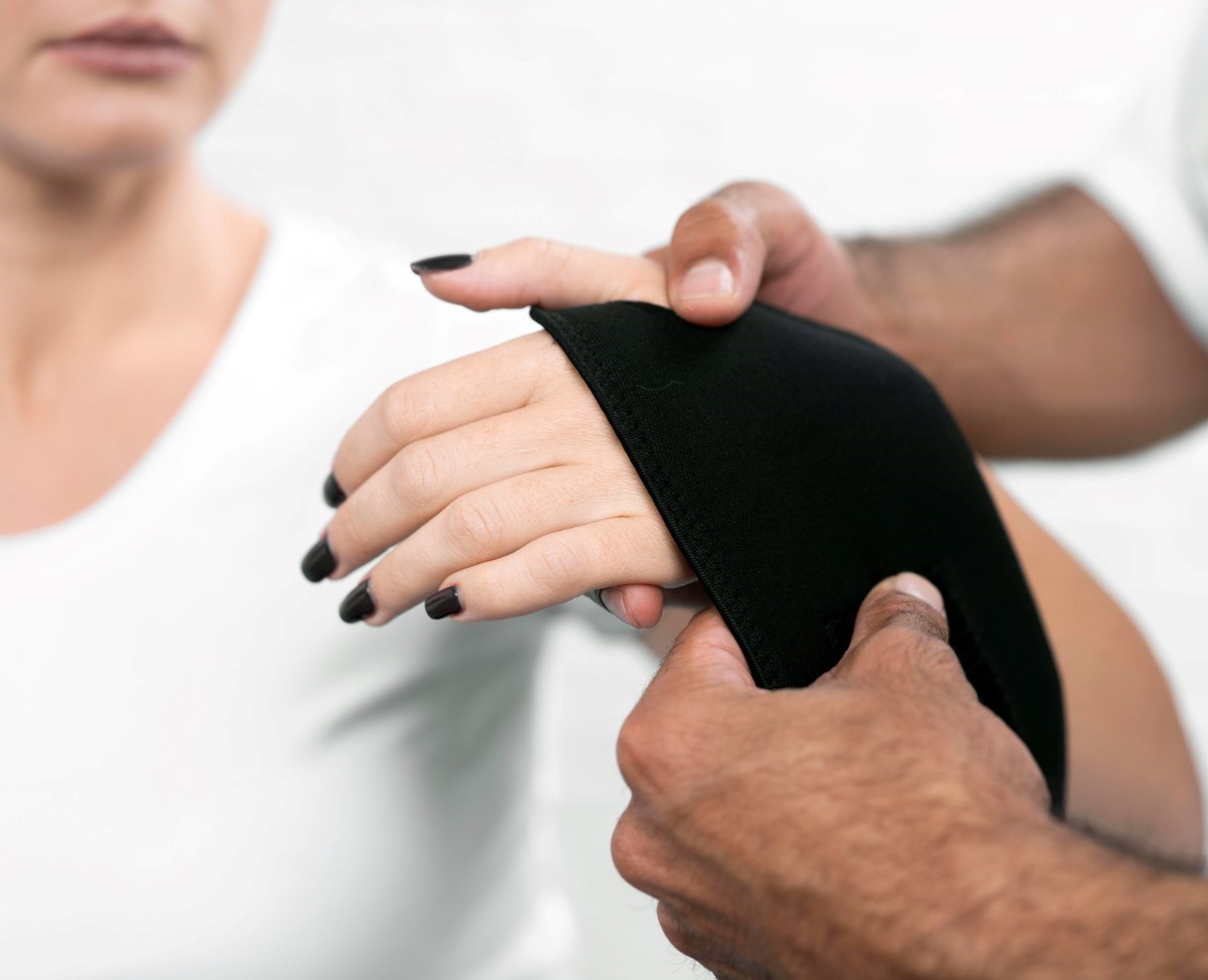
What is a Hand Fracture?

A hand fracture is characterised by a break in the bones of the hand. The hand comprises various bones, including the phalanges (small bones of the fingers) and the metacarpals (long bones within the palm). Fractures in these bones can result from incidents such as falls, direct impacts, crush injuries, or sports-related traumas. The approach to managing a hand fracture depends on the specific bone involved, the type of fracture, and the overall health of the individual.

Types of Hand Fractures

Hand fractures can be classified into several types, based on the location and nature of the fracture.

  • Phalangeal Fractures
    These involve the phalanges, the small bones of the fingers. Each finger has three phalanges, except for the thumb, which has two.
  • Metacarpal Fractures
    These fractures occur in the metacarpals, the long bones in the palm that connect the fingers to the wrist. The fifth metacarpal, supporting the little finger, is prone to fracture. This is often termed a “boxer’s fracture”.
  • Intra-articular Fractures
    These fractures involve a joint surface and can affect the movement and function of the hand.
  • Comminuted Fractures
    This is when the bone is broken into several pieces, often requiring more complex treatment.

Symptoms

The symptoms of a hand fracture can vary depending on the severity and location of the fracture. It is similar to symptoms of other conditions like carpal tunnel syndrome or trigger finger.

  • Swelling and Bruising: The area around the fracture often swells and becomes discoloured due to bruising. This swelling can extend to the surrounding tissues.
  • Pain: Pain is typically immediate and can vary from mild to severe, depending on the fracture’s complexity. It intensifies during activities that involve gripping or squeezing and can persist even during rest.
  • Visible Deformity: In some cases, the fractured hand may appear visibly misshapen or deformed. This is particularly evident in displaced fractures where the bone fragments have moved out of alignment.
  • Reduced Mobility: Movement of the affected fingers or the entire hand may be limited. This includes challenges in performing simple tasks like holding objects or making a fist.
  • Tenderness: The area around the fracture is often sensitive to touch and pressure, indicating the precise location of the fracture.
  • Numbness or Tingling: If the fracture impacts the nerves within the hand, there may be a sensation of numbness or tingling, particularly in the fingertips.

Causes and Risk Factors

Hand fractures typically result from direct trauma or impact on the hand.


Falls Landing on an outstretched hand during a fall is a frequent cause.
Sports Injuries Sports that involve high-impact hand contact, like boxing or football.
Motor Vehicle Accidents The force of a car crash can easily fracture the bones in the hand.
Crush Injuries Hands caught between heavy objects can sustain crush fractures.
Osteoporosis This condition weakens bones, making them more susceptible to fractures even with minor trauma.
Age and Gender Older adults, particularly postmenopausal women, have an increased risk of hand fractures due to decreased bone density.
Workplace Hazards Jobs that involve manual labour or the use of machinery pose a higher risk of hand injuries.

Diagnosis

The process of diagnosing a hand fracture involves several steps:

  • Medical History And Physical Examination
    The doctor will first assess the symptoms, understand how the injury occurred, and examine the hand for signs of fracture.
  • Imaging Tests
    X-rays are the primary tool for diagnosing hand fractures, revealing the location and nature of the fracture. In complex cases, a CT scan may be used to get a more detailed view, especially for fractures involving joints. Occasionally, an MRI is used to assess soft tissue damage or to evaluate non-displaced fractures that might not be visible on X-rays.
  • Neurovascular Assessment
    In some cases, particularly where there is trauma, the doctor may assess for nerve damage or blood flow issues in the hand.

Non-Surgical Treatment Options

Non-surgical treatments are often effective for certain types of hand fractures, particularly those that are not displaced. These treatments focus on facilitating bone healing while minimising pain and preserving hand function.

Splints and Casts

These are custom-fitted to the patient’s hand to ensure proper immobilisation. The type of immobilisation device chosen depends on the fracture’s location; for instance, a cast extending to the elbow may be necessary for a more severe fracture.

Buddy Taping

This technique involves taping the injured finger to an adjacent non-injured finger. It provides support and limits movement, allowing the injured finger to heal while maintaining some range of motion.

Pain Management

Over-the-counter pain relievers like ibuprofen can help manage pain and reduce inflammation. In addition to over-the-counter medications, techniques such as ice application and elevation can help reduce swelling and discomfort.

Hand Therapy

This involves a range of exercises aimed at restoring mobility, strength, and flexibility. The therapist may also use modalities like ultrasound or heat treatment to aid in healing. Early initiation of therapy, typically after a period of immobilisation, can help prevent stiffness and ensure the hand regains full functionality.

Surgical Treatment Options

In cases where non-surgical treatments are insufficient, surgical intervention may be necessary.

  • Open Reduction and Internal Fixation (ORIF)
    This procedure involves making an incision to directly access the fracture. The bones are then realigned, and hardware like screws, pins, or plates is used to hold the bone fragments together.
  • External Fixation
    In some cases, especially with severe crush injuries, external frames may be used to stabilise the hand.
  • Bone Grafting
    For fractures with bone loss, bone grafts may be necessary to provide structural support and facilitate healing.
  • Tendon Repair
    If the fracture involves damage to the tendons, surgical repair of the tendons might be required.

Prevention Strategies

Preventative strategies aim to minimise the risk factors associated with hand fractures, promoting overall hand health and safety.

  • Use the Right Tools
    Make sure you use the correct tools for certain activities, as not doing so could cause strain and injury to the hands.
  • Protective Gear
    In activities like sports or certain jobs, wearing gloves and protective hand gear can reduce the risk of fractures.
  • Safe Work Practices
    Employing ergonomic tools and techniques, especially in manual labour, minimises stress on the hands.
  • Regular Breaks
    For tasks involving repetitive hand movements, taking regular breaks helps prevent overuse injuries.
  • Fall Prevention
    Implementing safety measures at home and in the workplace, like removing tripping hazards, can reduce the risk of falls.
  • Good Posture
    Keep a good posture, with your back straight and shoulders relaxed. A poor posture could put a strain on the hands.
  • Bone Health
    Maintain good bone health through a balanced diet rich in calcium and vitamin D, and get regular exercise.

SCHEDULE AN APPOINTMENT WITHIN 24 HOURS

Are Your Symptoms Affecting Your Quality Of Life?

Consult our hand fracture specialist for a detailed consultation & a personalised treatment plan.


Dr Dennis Ng Zhaowen

  • Senior consultant Orthopaedic Specialist
  • MBBS (Singapore)
  • MRCSEd
  • MMED
  • FRCSEdOrth (Gold Medal Award

Dr Dennis Ng Zhaowen is an Orthopaedic Surgeon with main interest in Sports, Shoulder and Knee conditions, with extensive experience treating professional athletes.

Dr Zhaowen firmly believes that minimally invasive techniques are used for better surgical outcomes and reduced downtime. His patients include national athletes for sports such as basketball, soccer, judo, rugby, rock climbing and cycling etc.

  • Bachelor of Medicine and Surgery (MBBS) National University of Singapore, 2007
  • Masters of Medicine (MMED) Postgraduate Training in Orthopaedic Surgery, 2013
  • Fellowship of the Royal College of Surgeons (FRCSEd Orth) Gold Medal Award –Top Candidate, 2015

Awarded the Human Manpower Development Plan scholarship from the Ministry of Health, He underwent subspecialty training at the esteemed Fowler Kennedy Sports Medicine Clinic, Ontario, Canada. He has extensive experience with the management of sports injuries, having treated professional athletes in North America.

Our Clinic Locations

Mount Elizabeth Novena Specialist Centre
38 Irrawaddy Road #08-41,
Singapore 329563

Monday – Friday: 9.00am – 1.00 pm
2.00pm – 5.00 pm
Saturday: 9.00am – 1.00pm
Sunday & PH: CLOSED

Gleneagles Medical Centre
6 Napier Road #07-15,
Singapore 258499

We are open for emergency appointments to treat you as soon as possible. Get in touch with us today at 63341486 for a personalized assessment, or complete the form below.

Visit Us Today


    Frequently Asked Questions (FAQ)

    What are the first signs of a hand fracture?

    Signs include swelling, bruising, pain, deformity of the hand, reduced mobility, and in some cases, numbness or tingling.

    How long does it take for a hand fracture to heal?

    Healing time varies but typically takes 3 to 6 weeks, depending on the fracture’s severity and treatment method.

    What are the long-term effects of a hand fracture?

    If not properly treated, long-term effects can include reduced mobility, chronic pain, arthritis, and decreased hand function.

    When should I seek medical attention for a hand injury?

    Seek medical attention if you experience severe pain, swelling, deformity, or loss of function in the hand.